
Introduction
The reputation of the institution that grants the degree is inseparably tied to the value of a degree in the context of modern higher education. The pillars of this reputation are based on two issues, including academic compliance and academic integrity. Although they might seem to be the obstacles of bureaucracy, they, in fact, are the protections of intellectual development. With the increasing globalization and digitalization of universities, it is now a specialized discipline to handle the complicated network of ethical and regulatory practices, and this is often addressed via specific advisory services within universities.
Academic Compliance Knowledge
Academic compliance is the observance of the laws, regulations and internal laws in educational institutions. This encompasses all aspects of data privacy (e.g. GDPR or FERPA) to financial aid policies and accreditation standards in a higher education environment.
Compliance to the individual researcher or student is usually focused on research ethics. A research that has human subjects, animal testing, or sensitive information should be submitted to an Institutional Evaluation Board (IRB) or an Ethics Committee. Compliance will make the research to be done legally and safely, safeguarding the researcher and the research women.
Learn more:
https://www.teqsa.gov.au/students/understanding-academic-integrity/what-academic-integrity
Academic compliance
Academic compliance can be defined as the legal, regulatory, and institutional framework compliance in the educational environment, which contributes to accountability, quality assurance, data protection, ethical behavior, and the presence of national and international academic standards.
Individual responsibility in academia
Ethics are aimed at safeguarding human subjects, animals, and confidential information by means of adequately authoritarian review like an ethics committee or institutional review board, conducting studies in a responsible, legal, and low-risk manner.
Individual responsibility in academia
Individual compliance focuses on the role of researchers and students to adhere to ethical guidelines, institutional policies and legal requirements, which will protect research validity, personal integrity, and institutional credibility.

The Heart of Higher Education: Academic Integrity
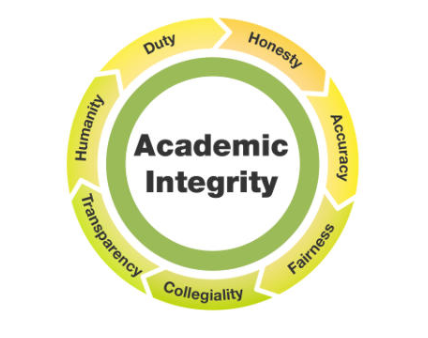
Academic integrity is the ethical compass in case compliance is the law. The devotion to five core values which include honesty, trust, fairness, respect, and responsibility. In practice, this implies that one comes up with original work, that the ideas of other people are given sufficient credit, and that there is honesty in the presentation of the data.
Generative AI and high-tech digital tools have increased the difficulty of upholding these standards. Here academic advisory services are critical to play the part of engaging in policing to educating. They make students see that being upright does not only mean not being punished, it is also about the worth of the education they are undergoing and the legitimacy of their future contributions in their profession.
Read more:
https://zzz.crea8ive.solutions/wp-admin/post.php?post=27568&action=edit
Common Challenges to Integrity and Compliance
Even the most well-intentioned students can find themselves in “grey areas.” Academic advisors frequently address the following issues:
- Plagiarism and Patchwriting: The difference between researching and copying may be unclear in a world of information at a press of a button. The advisors train students to synthesize information, as opposed to rearranging words.
- Collusion: Collaboration is healthy but there is a thin border between collaboration and unauthorized collusion. The compliance advice assists the students to know the boundary between group study and the personal assessment.
- Data Manipulation: In the higher research publish or perish culture, data trimming or p-hacking can be a pressure to get a significant result. The compliance training underlines the fact that all findings should be reported in an honest manner.
The Role of Academic Advisory Services
Modern universities now treat academic advisory as a proactive resource rather than a reactive one. Expert advisors provide a bridge between the student and the complex institutional frameworks. Their role includes:
- Policy Interpretation: Breaking down dense institutional handbooks into actionable advice for students and faculty.
- Training and Workshops: Hosting sessions on proper citation styles (APA, MLA, Chicago), the ethical use of AI tools, and the mechanics of the peer-review process.
- Conflict Resolution: Acting as a neutral party when allegations of misconduct arise, ensuring that due process is followed and that the educational outcome is prioritized.
- Audit Readiness: Helping research departments ensure their documentation is compliant with grant requirements and national educational standards.
Why Compliance Matters for Long-term Success
In the case of students, academic integrity history is a requirement to professional licensing in some professions such as law, medicine, and engineering. One report of academic misconduct on a transcript can kill a career even before it starts. To institutions, it is survival of the fittest. The inability to satisfy the accreditation requirements or poor research ethics management may result in the loss of funds, lawsuits, and an irreversible tint on the university image. When an institution has a good level of compliance then this is a message to the world that its graduates are not only well informed but also reliable.
Conclusion
Compliance and integrity in academics are not aimed at squashing creativity or restricting research rather, they are structured to give a stable foundation upon which a researcher can rely on innovation. With the adoption of these standards, students and researchers can help create a body of knowledge that is credible and lasting around the world. The most efficient mechanism to promote this culture in the future of higher education will be through integrating academic advisory services. These services guarantee that the quest to acquire knowledge appears as a noble and clear task through the provision of simple, expert advice.
Frequently Asked Questions (FAQs)
What is the difference between academic compliance and academic integrity?
Compliance involves following legal and institutional rules like data safety and research protocols. Integrity is the personal commitment to ethical behavior, such as honesty and proper attribution.
+1
Can I get in trouble for “unintentional” plagiarism?
Yes, higher education holds students responsible for correct citation regardless of intent. Academic advisors help you master these techniques to avoid accidental violations.
What are the consequences of an academic integrity violation?
Penalties range from a warning or a failing grade to more severe outcomes like suspension or expulsion. These marks often remain on your permanent transcript, affecting future opportunities.
How does an Institutional Review Board (IRB) relate to compliance?
The IRB ensures research involving humans meets legal and ethical standards. Operating without IRB approval is a major compliance failure that can invalidate your entire study.
Is using AI tools like ChatGPT considered a violation of academic integrity?
This depends on your specific institutional policy and the instructor’s guidelines for the assignment. Always verify the rules in your syllabus before using AI to ensure you remain compliant.