
Introduction
Brand identity design and consistency across all platforms ensure visual coherence, strengthen brand recognition, and enhance user trust by delivering a unified and professional experience throughout every digital and mobile touchpoint. This is where brand identity design will come in. It is the visual and sensual language that conveys to people who you are, what you represent and what is unique about you. However, a good identity is half-way through the fight, consistency of the brand identity across platforms is what turns the recognition into trust and a moment with a lasting loyalty. The paper will explore the key components of a successful brand identity design.
What is Brand Identity Design
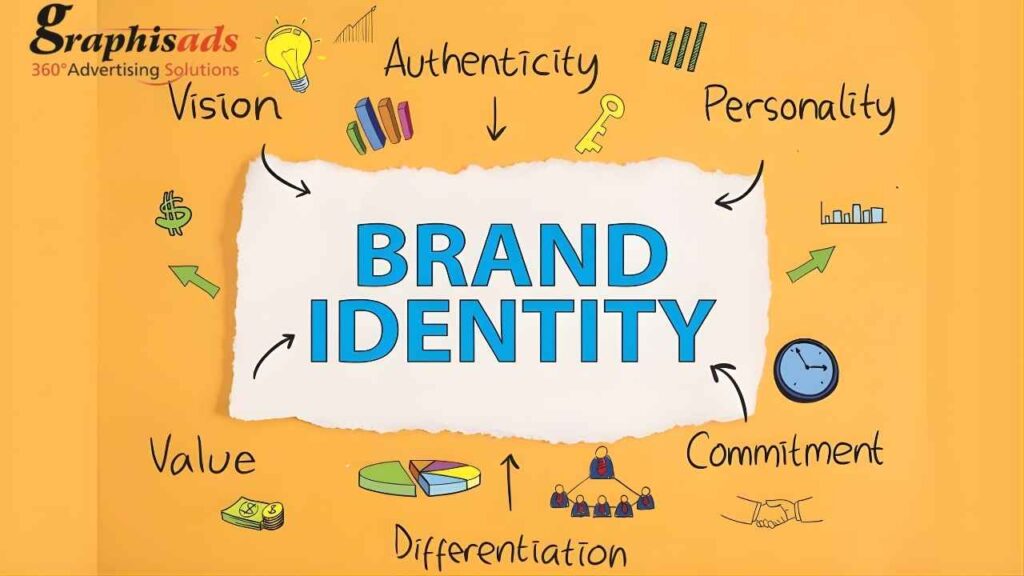
Brand identity design is the strategic development of all the sight and touch aspects that identify a brand. It is much more than a logo, it is an all-encompassing mechanism that would arouse certain emotions and links within the minds of your target audience.
Key components of a robust brand identity include:
- Logo: The primary visual mark, the cornerstone of your identity.
- Color Palette: Specific colors used consistently, evoking mood and recognition.
- Typography: The chosen fonts that convey personality and ensure readability.
- Imagery Style: The consistent look and feel of photographs, illustrations, or icons.
- Graphic Elements: Patterns, textures, shapes, or design motifs that reinforce the brand.
- Tone of Voice: (Though not purely visual) How the brand communicates in written and spoken word, influencing messaging and content.

Read more:
https://www.investopedia.com/terms/b/brand-identity.asp
The Indispensable Role of Brand Consistency
As soon as the strong brand image is created, consistency will be the paste that will stick everything together. It involves showing identical visual signals, communication and experience on each and every touchpoint of your brand as it comes in contact with the people. The brand should appear and feel integrated with what you post out of your site and social media accounts to email campaigns, print advertisements, and even tangible goods.
Why is this so crucial for digital recognition and success?
- Builds Trust and Credibility: A consistent brand appears professional, reliable, and well-organized. Inconsistent branding, conversely, can make a business seem amateurish or untrustworthy.
- Increases Memorability and Recognition: Repeated exposure to the same visual elements (logo, colors, fonts) helps your audience quickly identify and remember your brand in a crowded market.
- Strengthens Brand Equity: Consistency reinforces your brand’s values and personality, deepening its meaning and increasing its long-term value.
- Enhances User Experience: A familiar visual language guides users intuitively, making navigation and interaction across different platforms seamless and comfortable.
- Drives Market Differentiation: A distinct and consistently applied brand identity helps you stand out from competitors, making your offering unique in the minds of consumers.
Strategies for Achieving Brand Consistency Across Platforms
Achieving seamless consistency requires a systematic approach and diligent execution.
Table: Strategies for Brand Consistency
| Strategy | Description | Impact on Brand & Recognition |
| Develop a Comprehensive Brand Style Guide | A document with all the brand elements (use of logo, color codes, typography, image guidelines, tone of voice). | Being the only point of truth; also makes sure that all are up to standard. |
| Utilize Brand Asset Management (BAM) Systems | Electronic libraries of all approved brand material (logos, templates, images). | Maintains access to the right and up-to-date assets; avoids using outdated ones. |
| Train Your Team | Train all workers particularly marketing and content developers as to brand rules and significance. | Develops brand consciousness; enables team building to act as brand ambassadors. |
| Standardize Templates | Design templates of presentation, social media, email newsletter, and documents. | Simplifies the development of content; ensures that visual elements are always used. |
| Regular Audits | Check your presence in all media (website, social, ads, print) periodically to be consistent. | Identifies inconsistencies at the earliest stage; enables corrective action to be taken in order to uphold standards. |
| Prioritize Key Touchpoints | Find the most important platforms where you are exposed to the most and perfect at them. | Makes the most out of what counts; achieves high-visibility consistency. |
Learn more:
https://zzz.crea8ive.solutions/wp-admin/post.php?post=27522&action=edit

The Digital Landscape: A Multi-Platform Challenge
The digital age presents unique challenges for brand consistency due to the sheer number of platforms:
- Social Media: Each platform (Facebook, Instagram, LinkedIn, TikTok, X) has different image dimensions, content formats, and audience expectations. Adapting content while maintaining brand identity requires careful planning.
- Website & Apps: These are often the primary digital hubs, demanding flawless application of brand elements and user experience.
- Email Marketing: Newsletters and promotional emails must extend the brand experience from your website directly to the user’s inbox.
- Digital Advertising: Banners, video ads, and sponsored content need to be instantly recognizable as belonging to your brand.
Conclusion
Brand identity design is an investment in your business future- it is how you identify yourself. It is the consistency of its brand across platforms, however, that really opens the door, and your carefully designed images become instant digital identifications, subconscious credibility, and an added special effect in the market. Consistent brand voice will be the light that will attract your audience to you in a world full of information. Managing your visual resources carefully and following simple rules, you make sure that every interaction will strengthen your identity, leaving a memorable impact and guaranteeing your presence in the mind of your customers.
Frequently Asked Questions (FAQs)
A comprehensive Brand Style Guide is the most vital element because it provides the “rules” for your visual assets. It ensures every team member applies logos, colors, and fonts identically across all marketing channels.
Consistency signals professionalism and reliability, making your business appear stable and well-organized. Inconsistent design creates confusion, which can make a brand seem untrustworthy or amateurish to potential customers.
Core assets like your logo and colors must remain identical, but the content format should adapt to the specific platform. You should maintain a unified “visual soul” while tailoring your tone to fit each app’s unique audience.
Yes, businesses often undergo a “brand evolution” to stay relevant or reflect new services. However, any changes must be strategic and purposeful to avoid losing the recognition and loyalty you’ve already established.
A brand audit is a systematic review of all digital and physical touchpoints to identify and fix design inconsistencies. Performing this at least once a year ensures your brand remains modern and aligned with your original guidelines.